GRAND COUNTY, COLORADO
GRAND COUNTY
HOME INSPECTIONS.
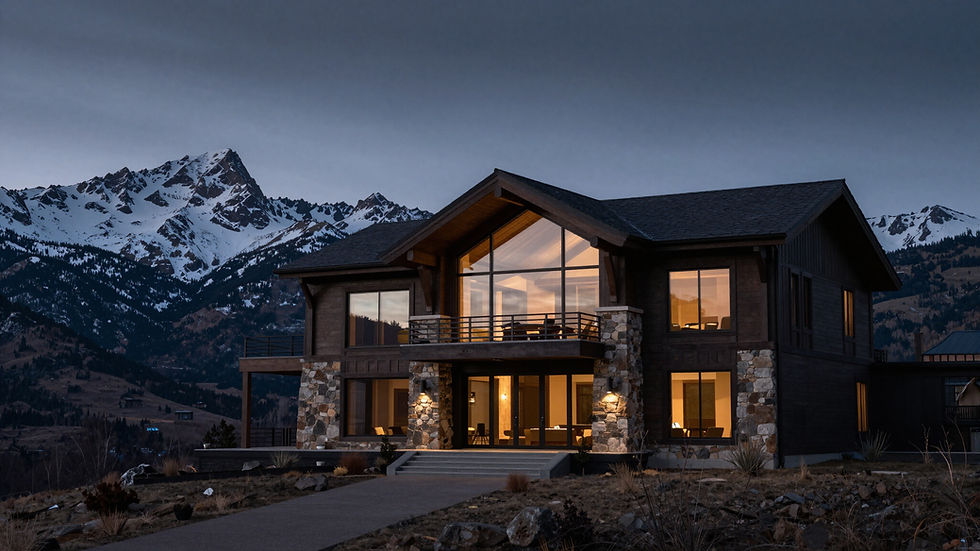
High Divide Home Inspections provides thorough, objective home inspections for buyers, sellers, investors, and property owners throughout Grand County and Colorado’s mountain communities. We regularly inspect homes in Winter Park, Fraser, Granby, Tabernash, Grand Lake, and surrounding communities, with a focus on the conditions that matter most in the high country.
LOCAL INSPECTION SERVICES
HOME INSPECTIONS THROUGHOUT GRAND COUNTY.
Grand County’s mountain environment is beautiful—and demanding. Homes here live through long winters, deep snow, strong sun, and wide temperature swings that can all affect how a property ages and performs. Snow and snowmelt test roofs, gutters, and drainage paths around the home. Freeze/thaw cycles can influence foundations, exterior surfaces, and hardscapes over time. Moisture from melting snow and seasonal storms can find its way into vulnerable areas if roof exposure, flashing, and drainage are not working together as intended.
Inside, heating and plumbing systems work in colder conditions, and in some Colorado mountain homes they may sit idle for stretches between visits. Decks, stairs, and exterior structures are exposed to weather year‑round, while fireplaces, insulation, and ventilation all play a role in comfort and energy use. A professional home inspection in Grand County provides information about the observable condition of these major systems and components on the day of the inspection so you can better understand your mountain property.
MOUNTAIN PROPERTY EXPERTISE
THE HIGH COUNTRY HAS ITS OWN SET OF CONDITIONS.
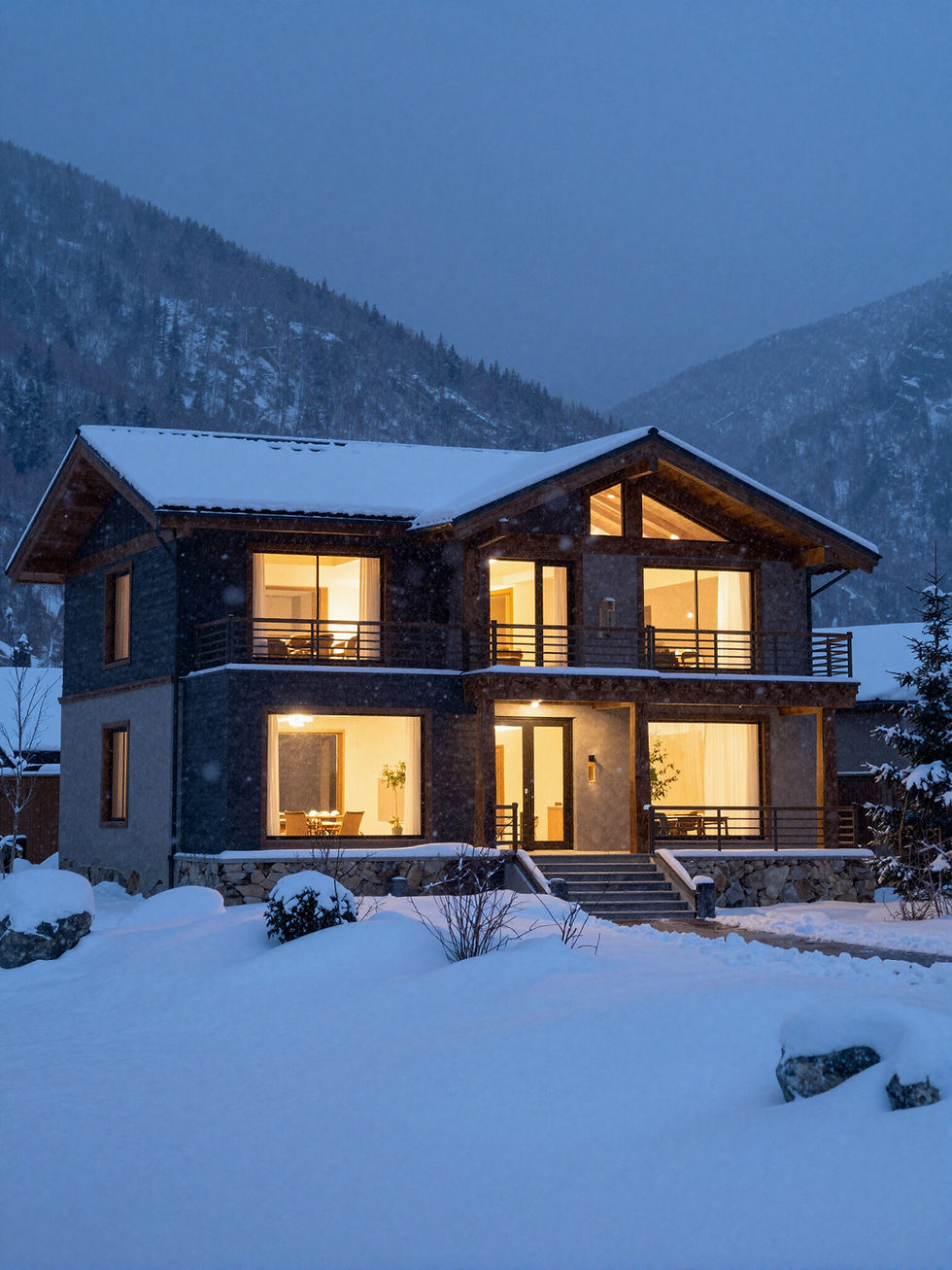
Colorado mountain properties face environmental stresses that are different from homes at lower elevations. In Grand County, long winters, deep snow, strong sun, and wide temperature swings all interact with the materials and systems that make up a home. Snow and snowmelt test roofs, gutters, and drainage paths. Freeze/thaw cycles can influence foundations, exterior concrete, and other hard surfaces over time. Moisture from melting snow and seasonal storms can find its way into vulnerable areas if roof exposure, flashing, and grading are not working together as intended.
Inside the home, heating systems and plumbing lines work in colder conditions and, in some properties, during periods of vacancy. Insulation and ventilation help manage comfort, condensation, and energy use in this high‑country environment. When we inspect a mountain home, we consider how these conditions may be influencing what we can see on the day of the inspection so you can better understand how the setting affects the property.
SNOW & ROOF EXPOSURE
Snow loads, ice, and strong sun can all affect roofing materials and roof details. We observe visible coverings, flashings, and penetrations for signs of wear or conditions that may warrant further evaluation.
FREEZE / THAW CYCLES
Repeated freezing and thawing can contribute to cracking, movement, and uneven surfaces in foundations, exterior concrete, and other materials. We look for visible indications of movement or distress where they can be seen.
MOISTURE & DRAINAGE
Snowmelt and rain need a clear path away from the home. We consider gutters, downspouts, grading, and other features that influence how water appears to move around the property and near the foundation.
HEATING & PLUMBING
Heating systems and plumbing lines operate in colder conditions and, in some homes, during stretches between visits. We observe accessible equipment and visible piping for basic function, signs of leakage, and conditions that may be important for everyday use.
GRAND COUNTY COMMUNITIES
SERVING HOMES ACROSS GRAND COUNTY.
WINTER PARK
We inspect a wide range of homes in Winter Park, from in-town properties to nearby mountain neighborhoods. Snow, ice, and seasonal use are common considerations, so we pay attention to visible roof conditions, drainage, decks, and heating systems that support comfortable living in a resort-area climate.
FRASER
Fraser is known for long, cold winters and frequent freeze/thaw cycles. Inspections here often focus on how foundations, exterior materials, and site drainage appear to be handling those conditions, along with the performance of heating systems and insulation in colder temperatures.
GRANBY
Granby includes a mix of in-town homes and nearby mountain properties. We observe how weather exposure, snowmelt, and grading may be affecting roofs, siding, decks, and the areas around the foundation, as well as the condition of heating systems and fireplaces.
TABERNASH
Homes in and around Tabernash can sit on varied terrain with changing wind and snow patterns. During inspections, we consider how drainage, exterior materials, and exterior structures appear to be responding to local conditions, along with the performance of visible mechanical systems.
GRAND LAKE
Grand Lake properties may experience strong sun, snow, and seasonal occupancy. We look at visible roof and exterior conditions, decks and stairs, and interior systems that support comfortable use in a lakeside mountain setting.
HOT SULPHUR SPRINGS
In Hot Sulphur Springs, we inspect a range of residential properties, focusing on observable structural, mechanical, and safety-related conditions. Weather exposure and temperature swings are part of everyday life, and we consider how those factors may be affecting the home.
KREMMLING
Kremmling-area homes can see open-exposure weather and wide temperature changes. Inspections often highlight roof conditions, exterior wear, drainage patterns, and the performance of heating systems that support year-round living.
A THOROUGH LOOK
WHAT DOES A GRAND COUNTY HOME INSPECTION COVER?
ROOF & ATTIC
We observe visible roof coverings, flashings, penetrations, and attic spaces where accessible, looking for signs of wear, moisture intrusion, ventilation concerns, and conditions that may warrant further evaluation.
EXTERIOR
We look at siding, trim, exterior surfaces, steps, walkways, and site features that are part of the home, noting visible damage, weathering, and safety-related concerns.
FOUNDATION & STRUCTURE
We observe exposed foundation walls, framing where visible, and signs of movement or settlement, along with conditions that may affect structural performance.
DRAINAGE & GRADING
We consider how water and snowmelt appear to move around the home, including gutters, downspouts, and grading patterns that may influence moisture near the foundation.
PLUMBING
We observe visible supply and drain piping, fixtures, and water-heating equipment, looking for leaks, corrosion, and functional concerns that are apparent at the time of the inspection.
HEATING & COOLING
We operate accessible heating and cooling equipment where possible and note visible conditions, age indications, and maintenance considerations related to comfort systems.
INTERIOR
We look at walls, ceilings, floors, stairs, railings, and built-in components, noting visible damage, staining, or safety-related issues.
WINDOWS & DOORS
We operate a representative number of windows and doors, checking for basic function, fit, and visible signs of moisture or air leakage.
FIREPLACE & CHIMNEY
We observe readily accessible fireplaces and chimneys, looking for visible damage, clearances, and conditions that may merit further evaluation by a qualified specialist.
DECKS & EXTERIOR STRUCTURES
We inspect visible portions of decks, balconies, porches, and exterior stairs for signs of movement, deterioration, and safety-related concerns.
INSULATION & VENTILATION
Where accessible, we look at insulation levels and ventilation patterns in attics and other spaces, noting conditions that may affect comfort and energy use.